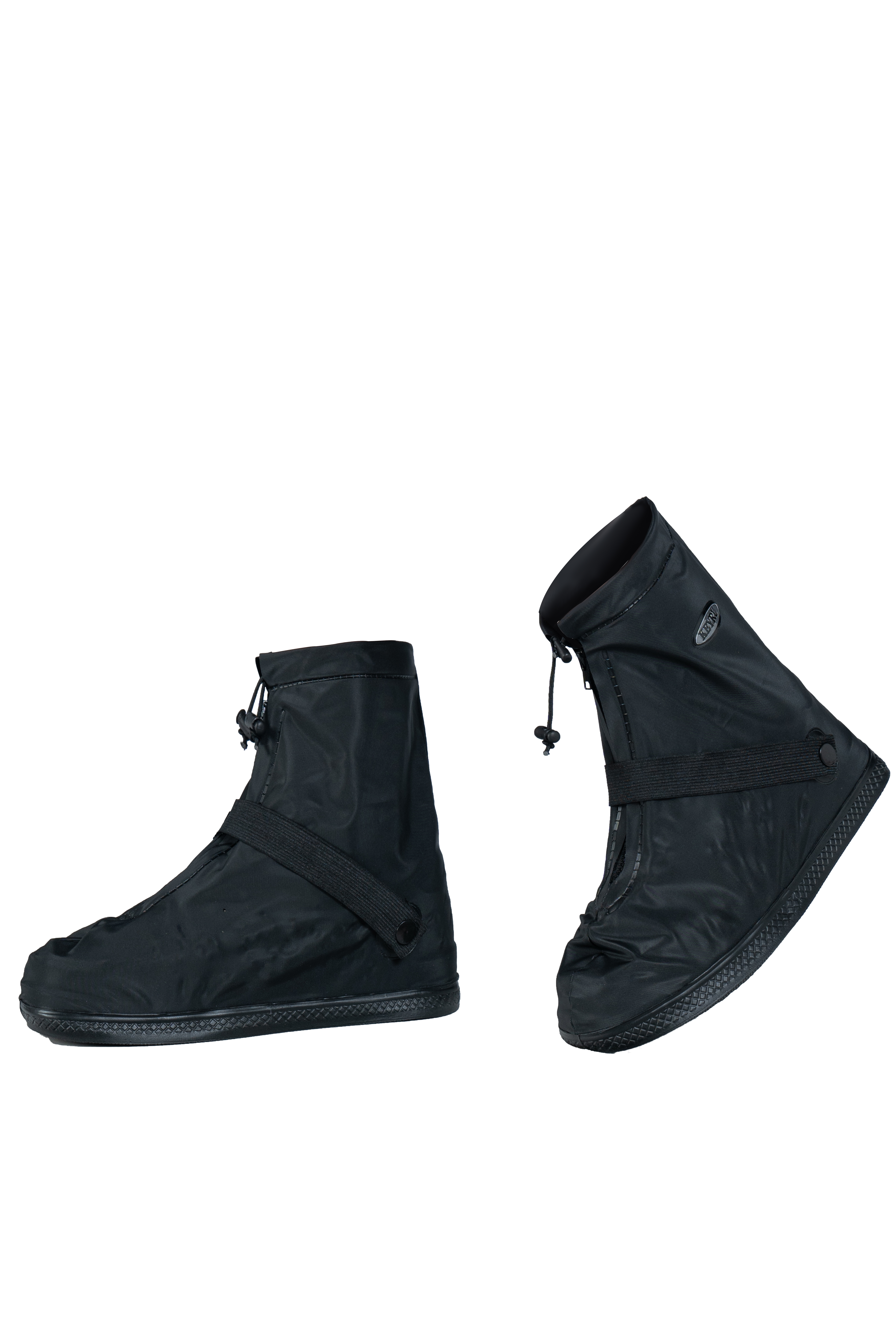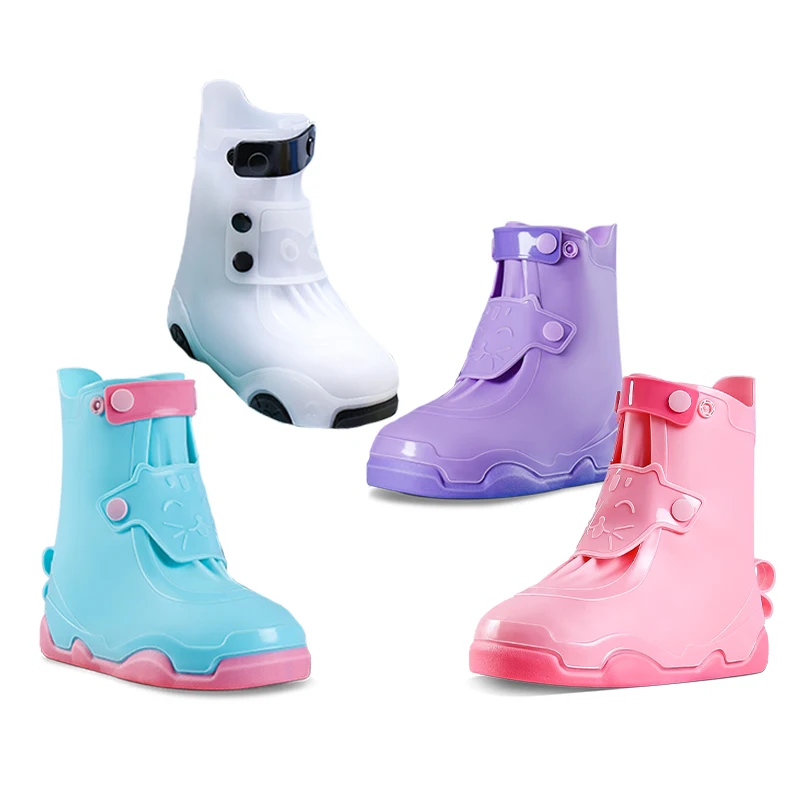
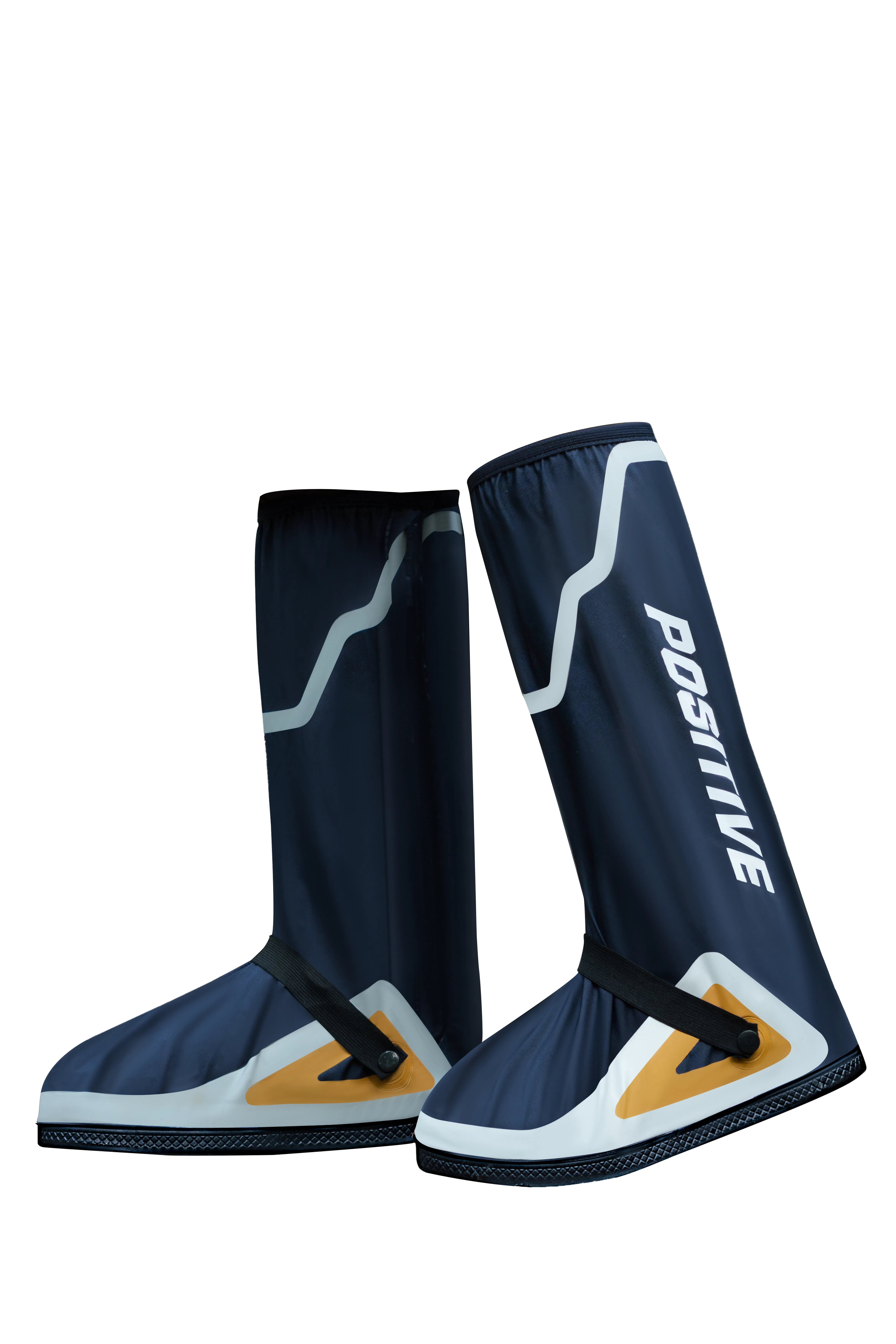

Discovering the Perfect Waterproof Boots for Everyday Adventures
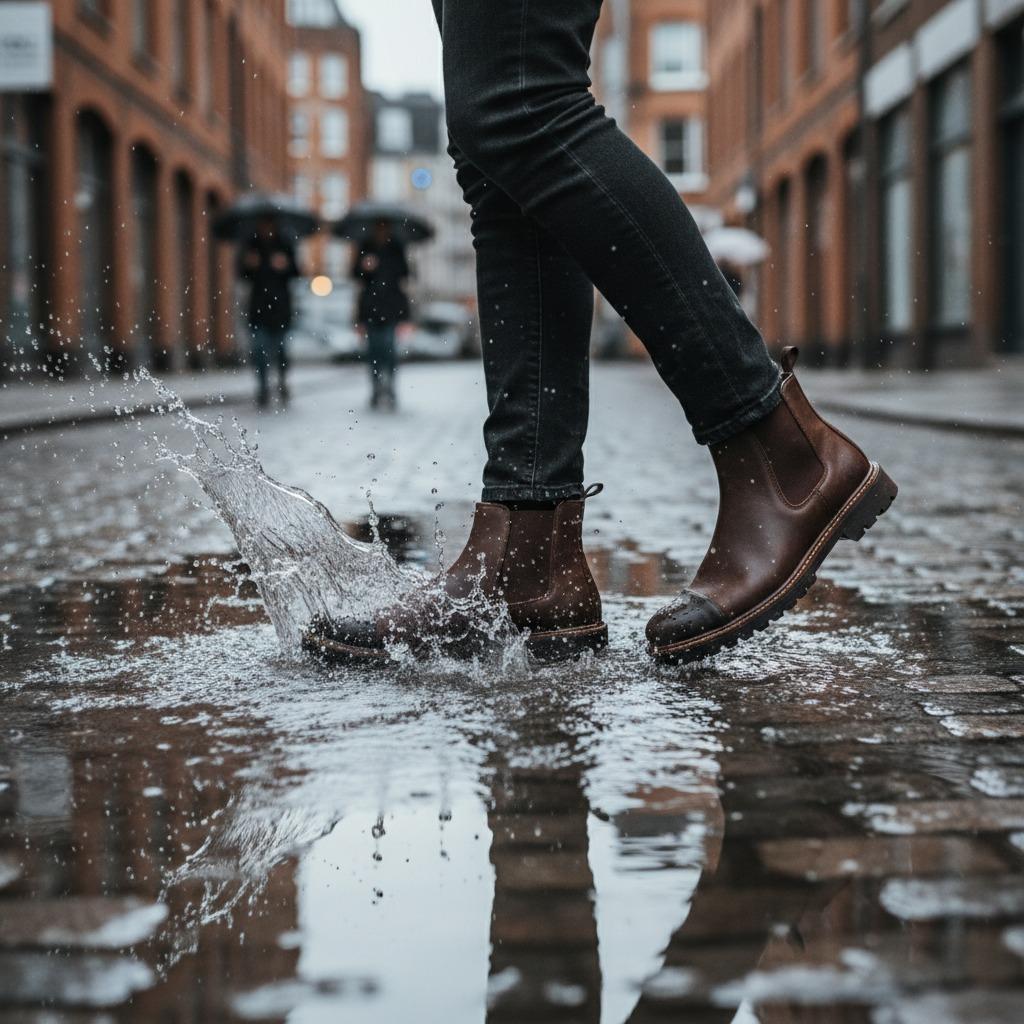
When it comes to tackling rainy days and muddy trails, nothing beats a reliable pair of waterproof boots. These essential footwear options keep your feet dry and comfortable, no matter the weather. Whether you're trudging through puddles or exploring outdoor paths, waterproof boots provide the protection you need without sacrificing style or functionality. In this article, we'll explore why these boots are a must-have and how they compare to options like the best rain boots, rain shoes, and boots for wet weather.
Why Waterproof Boots Are Essential for Rainy Seasons
Waterproof boots are designed with advanced materials that seal out moisture while allowing breathability, preventing that soggy feeling during prolonged exposure to water. Unlike regular shoes, these boots feature sealed seams and water-repellent linings, ensuring your feet stay dry even in heavy downpours. For those seeking the best rain boots, look for models made from natural rubber or synthetic neoprene, which offer flexibility and durability. Rain shoes, on the other hand, often prioritize lightweight designs for urban commuting, but they might not provide the same level of ankle support as full waterproof boots. When facing unpredictable weather, boots for wet weather stand out by combining traction soles to grip slippery surfaces, reducing the risk of slips and falls. Investing in quality waterproof boots means fewer worries about ruined outfits or uncomfortable walks home after a sudden shower.
Choosing the Best Rain Boots for Style and Comfort
The best rain boots aren't just about functionality; they're also a fashion statement. Available in vibrant colors and sleek designs, these boots can elevate your rainy-day look from drab to fab. For instance, taller styles offer more coverage for deeper puddles, while shorter ankle boots work well for lighter rain. When comparing to rain shoes, which are typically slip-on and minimalist, the best rain boots provide better insulation for colder, wet conditions. Key features to consider include cushioned insoles for all-day wear and adjustable buckles for a secure fit. Many users praise the best rain boots for their ease of cleaning—just a quick rinse removes mud and salt residue. If you're active outdoors, opt for models with reinforced toes and heels to handle rough terrain. Ultimately, the best rain boots blend practicality with personality, making them ideal for both casual strolls and weekend hikes.
Exploring Rain Shoes for Urban Wet Weather Challenges
Rain shoes have gained popularity for their convenience in city environments, where quick dashes through the rain are common. These lightweight options, often resembling casual sneakers, incorporate waterproof membranes to keep water at bay without the bulk of traditional boots. However, for more intense wet weather, rain shoes may fall short compared to robust waterproof boots that offer higher coverage. Boots for wet weather excel in versatility, suitable for everything from office commutes to park visits. Look for rain shoes with grippy outsoles to navigate wet sidewalks safely. While they might not insulate as well in colder climates, their packable nature makes them a go-to for travel. Pairing rain shoes with waterproof socks can enhance their performance, ensuring your feet remain cozy. As an alternative to heavier boots, rain shoes provide a subtle way to stay dry without drawing attention.
Top Picks for Boots for Wet Weather
Boots for wet weather are engineered for reliability in drizzly conditions, featuring technologies like Gore-Tex linings that block water yet permit vapor escape. These boots often include thermal linings for warmth, making them superior to basic rain shoes for extended outdoor time. When selecting boots for wet weather, prioritize those with wide toe boxes for comfort during long wear and quick-drying interiors to avoid odors. Compared to the best rain boots, which might focus on aesthetics, boots for wet weather emphasize ruggedness, with some models including steel shanks for stability on uneven ground. They're perfect for hikers, gardeners, or anyone who braves the elements regularly. Maintenance is straightforward: apply a waterproofing spray periodically to maintain their effectiveness. With so many options, finding the right boots for wet weather can transform how you experience rainy days, turning potential discomfort into enjoyable outings.
Maintenance Tips to Extend the Life of Your Waterproof Boots
To get the most out of your waterproof boots, regular care is crucial. After each use, remove any debris and allow them to air dry away from direct heat sources to preserve the material's integrity. For the best rain boots made of rubber, a mild soap solution works wonders for cleaning, while leather versions in boots for wet weather benefit from conditioning treatments. Rain shoes, being simpler, often just need a wipe-down, but always check for seam wear to prevent leaks. Storing them in a cool, dry place ensures they remain pliable. By following these steps, your waterproof boots can last through multiple seasons, providing consistent protection. Whether you're drawn to the best rain boots for their charm or boots for wet weather for their toughness, proper upkeep keeps you prepared.
Comparing Options: Waterproof Boots vs. Alternatives
In a head-to-head, waterproof boots outshine rain shoes in durability and support, especially for prolonged exposure. The best rain boots offer a middle ground with fun designs, while boots for wet weather cater to adventurers needing all-terrain grip. Consider your lifestyle: urban dwellers might prefer versatile rain shoes, but outdoor enthusiasts will appreciate the comprehensive shield of waterproof boots. Prices vary, but quality pieces justify the investment through longevity. User reviews highlight how these choices enhance confidence in foul weather, from dry feet during commutes to secure steps on trails. Exploring these categories helps you select footwear that aligns with your needs, ensuring every step in the rain feels assured.
Overall, embracing waterproof boots opens up possibilities for worry-free enjoyment in any downpour. With thoughtful selection among the best rain boots, rain shoes, and boots for wet weather, you'll be equipped for whatever Mother Nature throws your way.
Frequently Asked Questions (FAQ)
1. What is the difference between waterproof boots and rain boots?
| Feature | Waterproof Boots | Rain Boots |
|---|---|---|
| Primary material | Leather, synthetic, or fabric with waterproof membrane (e.g., Gore-Tex) | Natural rubber, neoprene, or PVC (inherently waterproof) |
| Breathability | High – allows moisture vapor to escape | Low to moderate – can trap heat and sweat |
| Weight | Moderate to lightweight | Heavier (traditional rubber) or lightweight (modern synthetics) |
| Best for | Hiking, wet weather commuting, all-day wear | Puddles, mud, gardening, heavy rain |
| Insulation options | Yes – many models include thermal linings | Some – fleece or neoprene linings available |
Waterproof boots often prioritize breathability and comfort for extended wear, while traditional rain boots focus on complete waterproofing and easy cleaning.
2. Can rain shoes replace waterproof boots for heavy rain?
Rain shoes are designed for light to moderate rain and urban puddles. They typically feature waterproof membranes but offer lower ankle coverage and less insulation than boots. For heavy downpours, deep puddles, or muddy trails, waterproof boots or tall rain boots provide better protection. If you choose rain shoes for wet weather, consider pairing them with waterproof socks for added security.
3. What features should I look for in the best rain boots?
| Feature | Why It Matters |
|---|---|
| Waterproof material | Rubber or neoprene – naturally waterproof and easy to clean |
| Sealed seams | Prevents water from leaking through stitching |
| Slip-resistant outsole | Deep lugs or textured tread for grip on wet pavement |
| Cushioned insole | All-day comfort, especially for standing or walking |
| Adjustable fit | Buckles, drawstrings, or gussets for a secure fit around the calf |
| Reinforced toe/heel | Durability for rough terrain or frequent use |
| Easy on/off | Pull tabs or wide openings for convenience |
4. How do I clean and maintain waterproof boots, rain boots, and rain shoes?
| Footwear Type | Cleaning Method | Maintenance Tips |
|---|---|---|
| Rubber rain boots | Rinse with water and mild soap; wipe dry | Store upright away from sunlight; apply rubber conditioner |
| Waterproof boots (leather) | Wipe with damp cloth; use leather cleaner | Reapply waterproofing spray; condition leather regularly |
| Waterproof boots (fabric) | Brush off dirt; spot clean with mild soap | Reapply DWR (durable water repellent) spray |
| Rain shoes | Wipe with damp cloth; machine washable only if labeled | Check seams for wear; air dry away from heat |
For all types: Always air dry at room temperature. Never use direct heat (radiators, dryers, sunlight) as this can crack rubber or damage membranes.
5. Are waterproof boots suitable for winter and snow?
Many waterproof boots are designed for wet, cold conditions but not all are insulated for snow. Look for:
-
Thermal linings (fleece, wool, Thinsulate) for warmth
-
Insulation ratings (e.g., 200g to 400g for moderate cold)
-
Winter-optimized outsoles for traction on snow and ice
For deep snow or extreme cold, dedicated winter boots with higher insulation and weatherproof construction are recommended. Waterproof boots without insulation are best for rainy but mild conditions (40°F to 60°F / 4°C to 15°C).
6. How should waterproof boots or rain shoes fit?
-
Try on with intended socks – Thicker socks for cold weather may require sizing up half a size
-
Heel slip – Minimal slip is acceptable; excessive slip causes blisters
-
Toe room – About a thumb's width between longest toe and boot end
-
Calf width – For tall rain boots, ensure enough room for movement without gaping
-
Break-in period – Leather waterproof boots may need a few wears to soften; rubber boots should fit comfortably from the start